
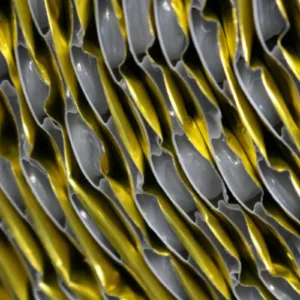
Aluminium foil + Bubble + Aluminium foil Yellow anti Glare

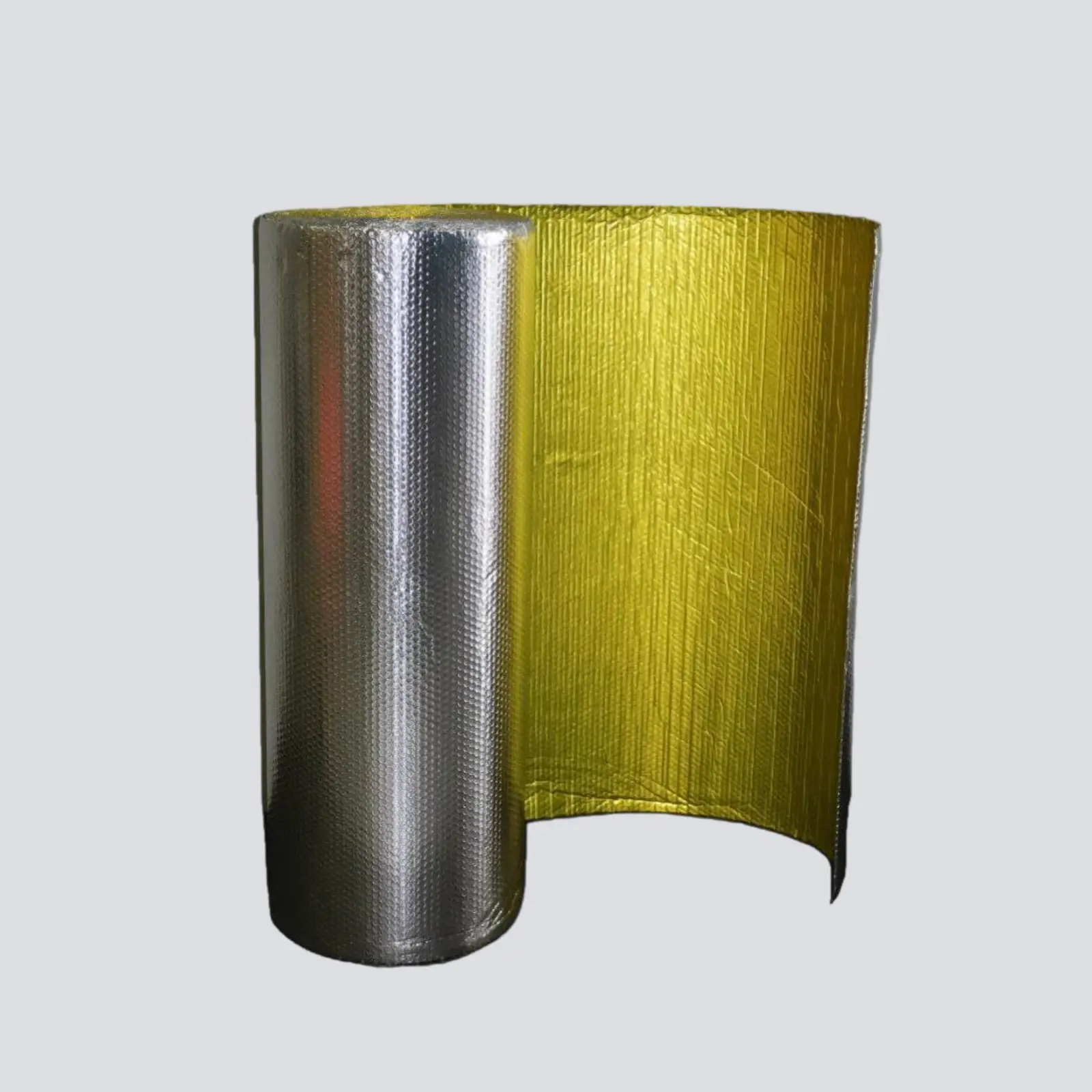
Atlas Glare Thermal Bubble 40
$280.00
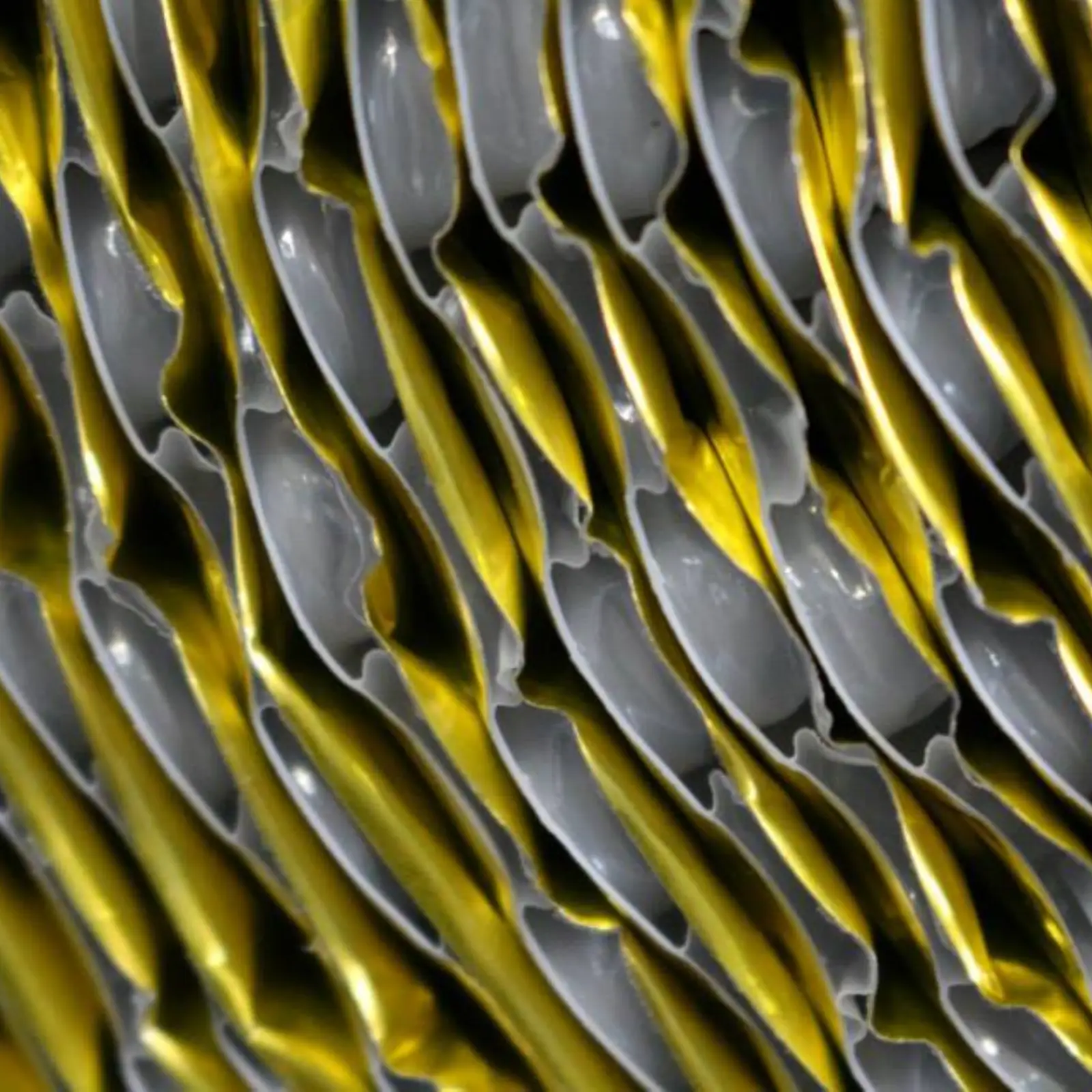
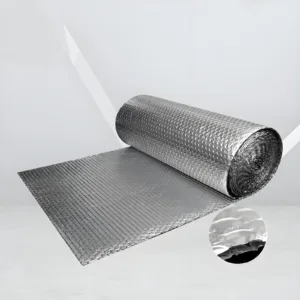
Atlas Glare Thermal Bubble 40 insulation is a cost-effective way to keep your building cool in the summer and warm in the winter. Atlas Glare Thermal Bubble 40 is an 4mm thick single layer of bubble insulation primarily used in warm climates. We offer this in two different options, Pure Foil/Bubble wrap/ Antiglare yellow pure Foil.
Atlas Glare Thermal Bubble 40 in performance and stop 97% of radiant heat.
| Product Specification | ||
| Item | Data | Unit |
| Width of roll | 1.2 | m |
| Length of roll | 40 | m |
| Thickness | 4 | mm |
| Emissivity | 0.03 | |
| Reflectivity | 97% | |
| Linear Shrinkage | None | |
| Corrosion | None | |
| Fungi Resistance | No Growth | |
| Water Vapour Permeance: 100% Waterproof | ||
Traditional insulation materials like fibreglass, foam, and cellulose primarily reduce convective heat transfer by trapping air or gas within their structure. However, they are far less effective in minimizing radiant heat transfer, which is a dominant mode of heat transmission in buildings—especially in Australia’s warmer climates. In fact, these standard materials tend to be strong radiators of heat rather than effective barriers against it.
Reflective insulation, on the other hand, addresses radiant heat transfer using layers of aluminium and plastic. While it does trap air to reduce convective heat loss, the primary benefit comes from its highly reflective foil surfaces, which can reduce heat transfer by up to 97%. This significant reduction occurs because the foil inhibits radiative heat transmission, turning adjacent air cavities into radiant insulation zones.
In practice, integrating a reflective material into a building system drastically improves the total R-value.
Ultimately, reflective insulation surpasses traditional materials in reducing radiant heat. The term “reflective” insulation can be slightly misleading, as aluminium either reflects heat (97% reflectivity) or minimizes heat radiation (3% emissivity). Regardless of terminology, both mechanisms significantly reduce heat transfer, making reflective insulation an essential tool for optimizing thermal efficiency in buildings.
When installed within building cavities, reflective insulation also traps air, reducing convective heat flow—effectively addressing all three modes of heat transfer. This comprehensive approach is why reflective insulation provides superior thermal performance compared to conventional insulating materials.
| Product Testing | Test Method | Specification / Result |
| Flammability Index | AS 1530.2 | ≤ 5 |
| Material Thermal Resistance | ASTM C518 | 0.09 m²·K/W |
| Emittance | ASTM E408 | Reflective Face E0.03 Anti-Glare Face E0.05 |
| R value Calculation | Atlas Products R value calculations are available upon on request, with detail drawing certified to AS/NZS 4589.1/ADMIT 1 2006. | |
| Vapour Barrier | ASTM E96 Method A | 0.018 perms |
| Shrinkage | AS/NZS 4201.3 | <0.5% |
| Dry Delamination | AS/NSZ 4201.1 | Pass |
| Wet Delamination | AS/NSZ 4201.2 | Pass |
| Water Barrier | AS/NSZ 4201.4 | High Resistance |
| Corrosion Resistance | AS/NZS 4859.1 Appendix I | Pass |


Reviews
There are no reviews yet.